
How to Make the Right Decision for Your Filling Equipment
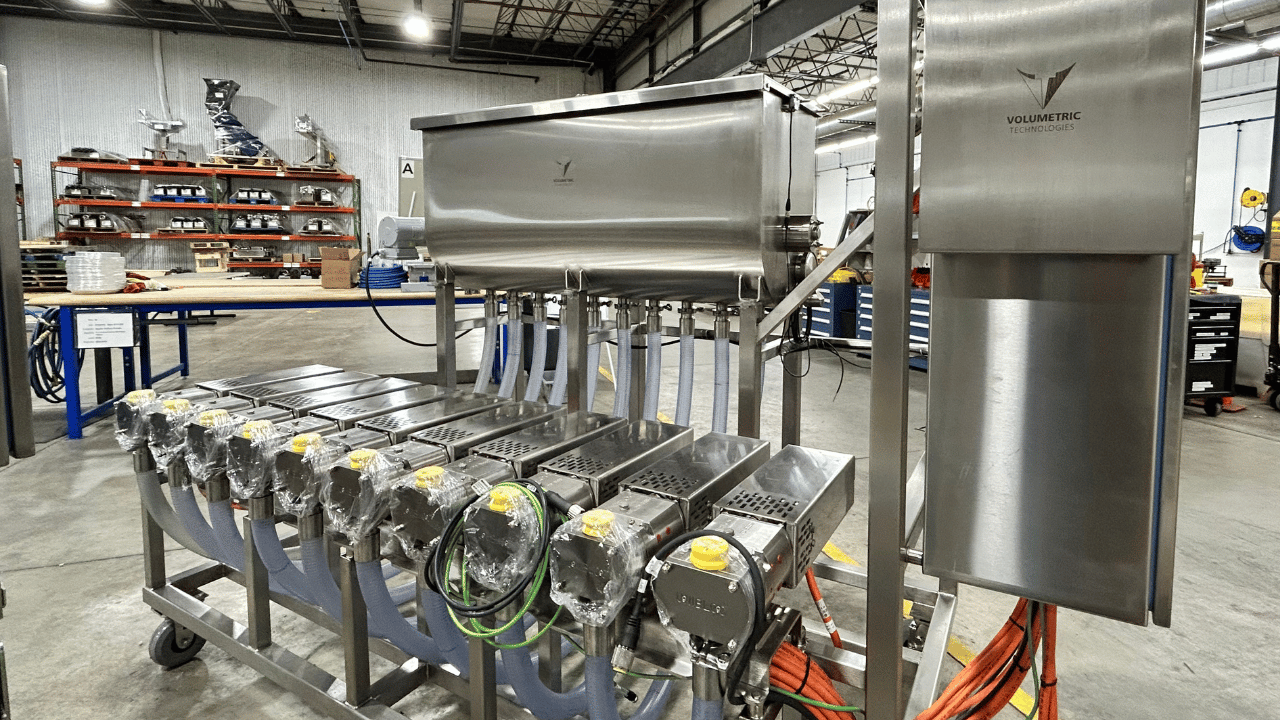
Every filling machine reaches a point where maintenance becomes a larger part of the production schedule than anyone would like. The challenge is determining whether the next investment should be another repair, a complete rebuild, or a new machine altogether. There is no universal answer. The right decision depends on the condition of the equipment, the products being filled, production goals, and the long-term cost of keeping the machine in service.
Too often, companies focus only on the price of the repair. While replacing a cylinder or rebuilding a valve assembly may solve today’s problem, it doesn’t necessarily address recurring downtime, inconsistent fill weights, lengthy changeovers, or the inability to support new products. Looking at the total cost of ownership instead of the next maintenance invoice usually provides a much clearer picture.
This guide outlines the questions our engineers discuss with manufacturers every day. Whether you ultimately repair your current equipment or decide to invest in a new filling system, the goal is to make an informed decision based on production requirements rather than reacting to the latest breakdown.
When a Repair Is the Right Choice
Not every issue requires replacing a machine. In many cases, routine repairs are simply part of normal equipment ownership. Replacing seals, valve components, sensors, pneumatic parts, or dispensing nozzles can restore performance quickly and economically when the machine is otherwise operating as designed.
Repairs generally make the most sense when the equipment continues to meet production requirements, replacement parts remain readily available, and downtime is limited to routine maintenance intervals. If operators are still achieving consistent fill accuracy and changeovers remain efficient, repairing individual components can extend the useful life of the machine for many years.
The important question is whether repairs are correcting isolated wear items or masking a larger reliability issue. A machine that requires emergency service every few weeks is very different from one that simply needs scheduled maintenance. Reviewing your recent parts and service history can help make that distinction clearer.
When a Rebuild Makes Sense
Many filling machines are built on heavy-duty stainless steel frames capable of decades of service. In those situations, rebuilding major assemblies can provide significant value while preserving an asset that operators already know well.
A typical rebuild may include replacing cylinders, valves, pneumatic components, controls, electrical hardware, and worn mechanical assemblies while recalibrating the machine to restore filling accuracy. Depending on the equipment, updating the PLC or HMI can also improve operator usability and parts availability.
A rebuild can often extend the useful life of a machine, but it is important to recognize its limitations. The rebuild restores the machine to the capabilities of its original design. It does not automatically reduce changeover time, increase flexibility, or provide the features found on newer piston filling machines. Those factors should be weighed against the cost of continued ownership.
When Replacement Deserves Serious Consideration
Eventually, equipment reaches a point where replacing individual components becomes less economical than investing in new technology. The decision is rarely driven by age alone. More often, it is the accumulation of small issues that begin affecting production, maintenance costs, and customer deliveries.
One of the first warning signs is increasing downtime. If maintenance personnel are spending more time troubleshooting than performing preventive maintenance, the cost extends well beyond replacement parts. Lost production, overtime, delayed shipments, and operator inefficiencies often become the largest expense.
Fill accuracy is another common indicator. Products that consistently overfill increase ingredient costs, while underfilled containers create quality concerns and customer complaints. Even small variations become expensive over hundreds of thousands of containers.
Production requirements also change over time. New package sizes, additional SKUs, sanitation standards, and customer expectations often demand capabilities that older equipment was never designed to provide. In these cases, replacing the equipment with a modern piston filler or depositor may improve overall plant efficiency even if the existing machine remains operational.
Look at More Than the Next Repair Bill
The cost of the next repair is easy to identify. The cost of keeping an unreliable machine in production is more difficult to see because it is spread across maintenance labor, downtime, product loss, quality checks, overtime, and missed production targets.
Before deciding which direction makes the most sense, consider how often the machine requires attention, how quickly replacement parts can be obtained, and whether the equipment still supports your current products and containers. It is also important to consider future plans. A machine may be adequate for today’s schedule but unable to support additional products, higher volumes, or more frequent changeovers.
Newer equipment can also provide capabilities that were unavailable when an older machine was designed. Depending on the application, a servo-driven filling system may offer greater control over the fill cycle, easier adjustments, recipe storage, and improved repeatability. Those benefits should be evaluated based on their practical value to your operation rather than technology alone.
Making the Right Decision for Your Operation
Repairing, rebuilding, and replacing are all valid options. The right decision depends on the condition of the machine, the cost of keeping it productive, and whether it can continue meeting your operational requirements.
At Volumetric Technologies, we begin by understanding the product, container, production rate, sanitation requirements, and challenges affecting the line. From there, we can help determine whether continued maintenance makes sense or whether a new filling solution would provide better long-term value.
The objective is not simply to sell another machine. It is to identify the most practical way to keep your operation filling accurately, reliably, and efficiently.
Contact Volumetric Technologies to discuss your current filling equipment and production requirements.