
Food & Beverage Filling Machines

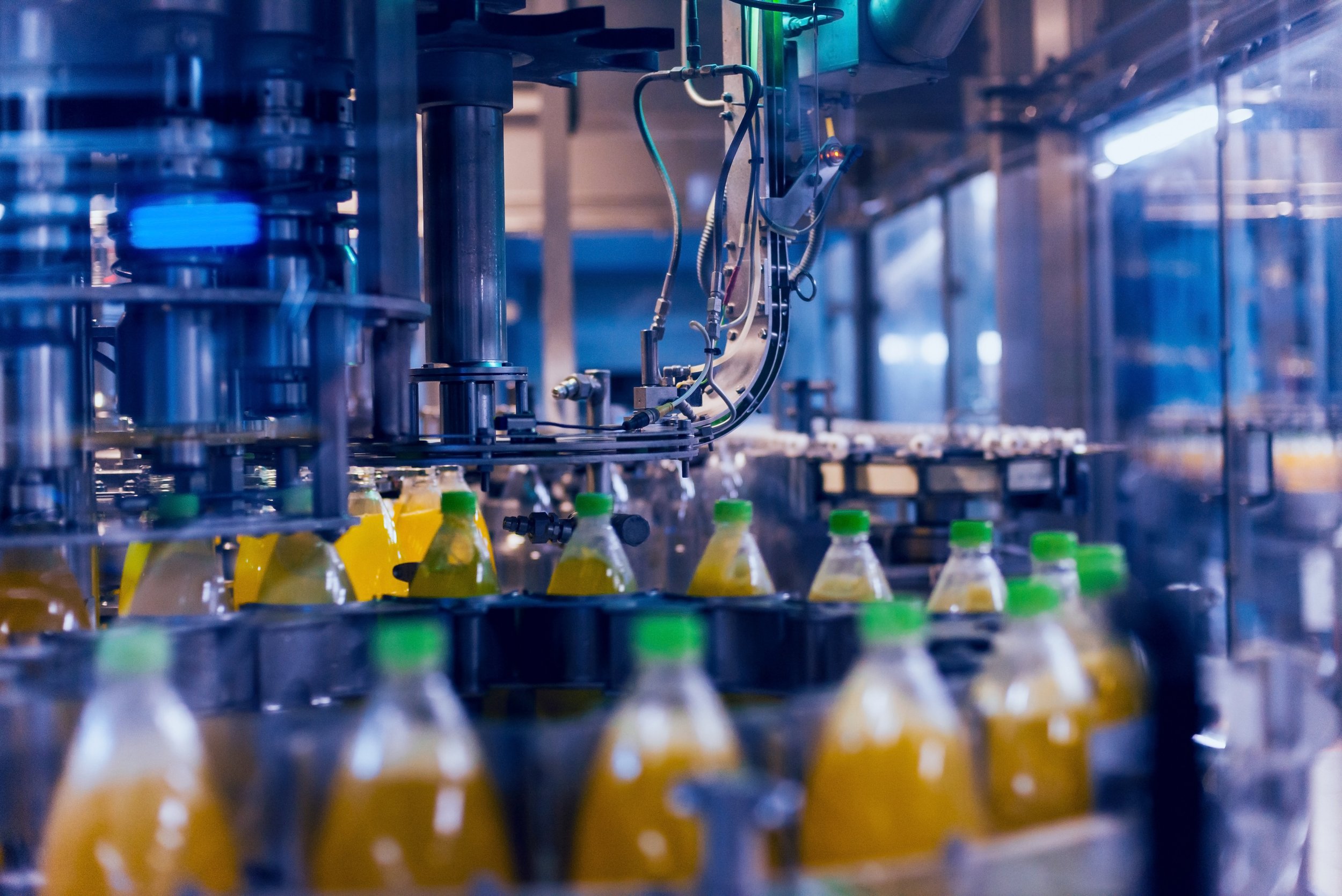
Top-Quality Beverage Filling Equipment
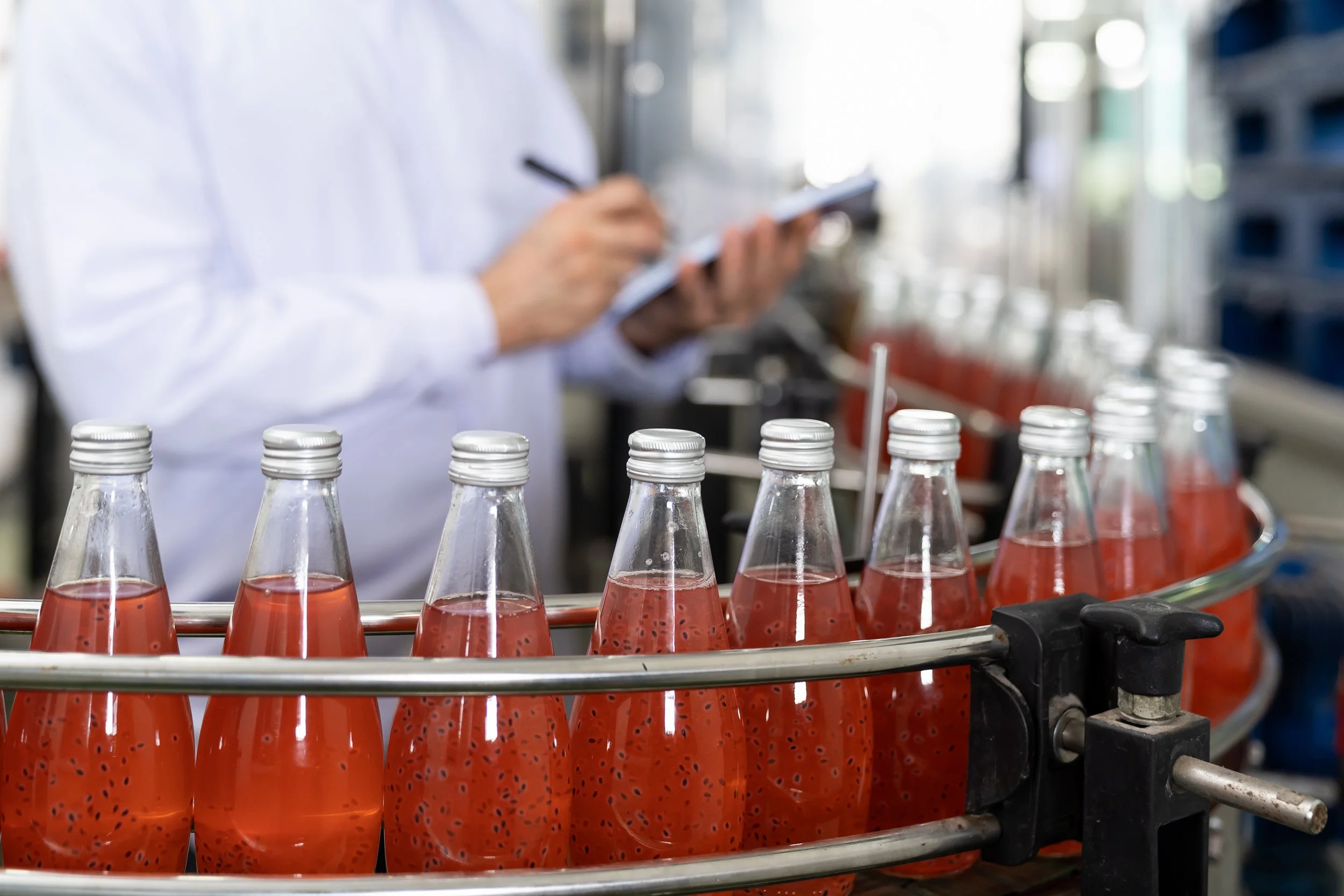
From bottled beverages and sauces for ready-to-eat meals to condiments and other commercial food applications, our beverage filling equipment supports a wide range of product types with precision and efficiency. The secret sauce to our beverage packaging equipment lies in our dependability, adaptability and track record of quality.
Our Fillers and Depositors are designed for handle both high and low-viscosity items, multi-lane servo engineered lines and designed for high-speed, large-scale operations. We provide versatile options to meet your needs. Our dispensing nozzles offer clean and accurate fills, while pump fill stations and overflow liquid fillers manage diverse product viscosities and prevent spillage. For ultimate precision, our servo PD pump fillers easily handle complex formulations. We also can help with labeling, capping and End of Line case packing, and more.
We ensure reliable, accurate, and efficient filling processes for all your food production requirements.
Let us elevate your filling process with our exceptional food and beverage filling machines. Read what customer say about us.
Food & Beverage Applications
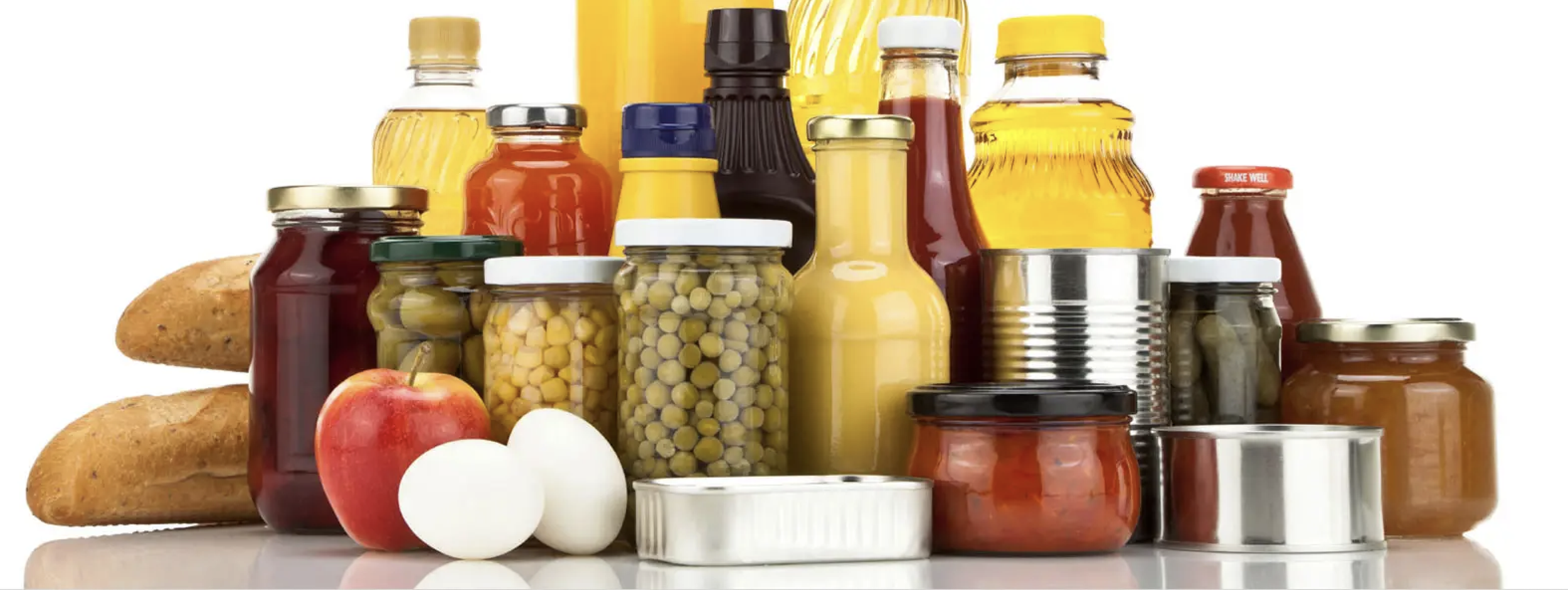
Our filling, pumping, conveying, packaging solutions have been designed to perform for a wide range of applications, including but not limited to:
Barbecue Sauce
Nut Butter
Apple Sauce
Liquid Egg
Honey
Jelly and Jams
Fruit Fillings
Soups
Sauces
Dips
Spreads
Dressings
Pastes

Mustard
Mayonnaise
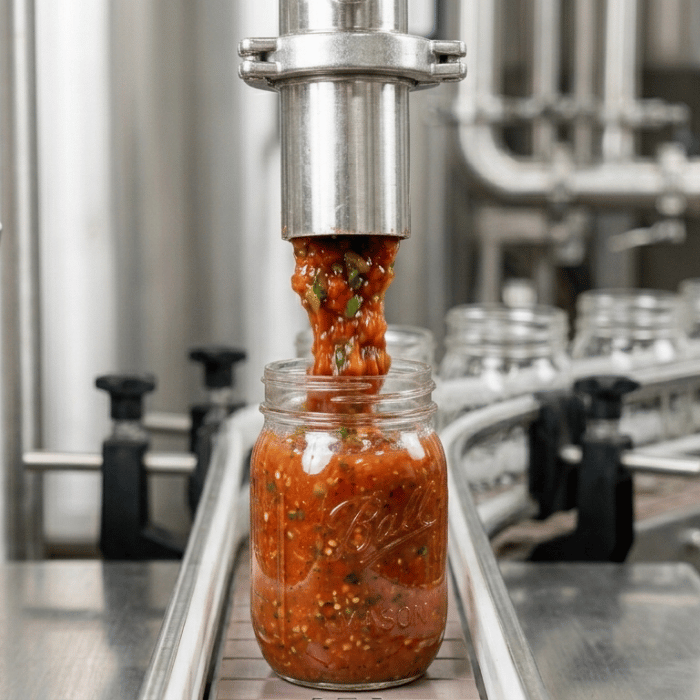
Salsa
Chicken Ala King
BBQ Pulled Pork
Macaroni & Cheese
From Our Blog


We Fill Right.
Food and Beverage Equipment


Need a Custom Solution?
Why Customization Matters in Filling Solutions
Every product has its own unique characteristics, which is why customization is essential in finding the right filling solution. Off-the-shelf equipment may not always suit your production needs, especially when dealing with highly viscous or sensitive materials. We provide custom-designed filling systems tailored to your specific product and operational requirements.
Let us help you fill it right.
-
Volumetric Technologies filling and depositing systems handle a wide range of products—from thin, free-flowing liquids to thick, sticky, viscous, shear-sensitive, and particulate-filled products.
Applications include sauces, dressings, condiments, dips, spreads, dairy products, beverages, syrups, batters, fillings, soups, prepared foods, nutritional products, and more.
The right solution starts with understanding how your product actually behaves in production.
-
There isn't one filling technology that's best for every product.
Volumetric piston fillers are a strong choice for many viscous, chunky, and difficult-to-flow products. Positive displacement pump fillers provide precise product-flow control and flexibility across a wide range of applications. Overflow fillers can be an excellent choice for thin, free-flowing liquids when a consistent visual fill level is important.
Volumetric Technologies offers multiple filling technologies, allowing us to match the equipment to the product instead of trying to make every product fit the same machine.
-
Very important. In many applications, the nozzle is one of the starting points for designing the filling solution.
Product viscosity, particulates, foaming, stringing, container opening, fill speed, and desired cutoff all influence nozzle selection. Volumetric Technologies considers the filling technology and nozzle together to control how the product travels into the container.
The right nozzle can mean a cleaner fill, better product control, less dripping or splashing, and more reliable production.
-
Yes. Sometimes an off-the-shelf nozzle works perfectly. Sometimes the product needs something different.
Volumetric Technologies can provide custom nozzle designs based on the product, container, deposit requirements, and production process. This can be particularly important for difficult products, unusual containers, particulates, or applications where cutoff and product presentation matter.
-
Yes. Volumetric Technologies has extensive experience with products containing particulates.
The important details are particulate size, shape, concentration, and sensitivity. Those characteristics help determine the filling technology as well as the valve, product pathway, and nozzle.
A smooth pasta sauce and a chunky salsa may go into similar containers, but they shouldn't necessarily be treated as the same filling application.
-
Properly configured equipment can provide gentle product handling for products containing fruit, vegetables, meat, or other delicate ingredients.
Volumetric Technologies looks at the entire product path, including pumps or pistons, valves, tubing, and nozzles, to avoid unnecessary restrictions or shear that could affect product integrity.
-
Volumetric piston filling is a proven solution for many thick and difficult-to-flow products because the piston mechanically draws in and dispenses a controlled volume.
Positive displacement pump filling can also be an excellent option depending on the product, required flow control, production rate, and application.
Products such as dips, spreads, sauces, creams, fillings, and condiments are good examples of applications where product testing can help identify the better technology.
-
Yes. Thin and free-flowing products can be handled with several filling technologies depending on the application.
If precise volume is the priority, one solution may be appropriate. If the product is packaged in a clear container and consistent visual fill height is important, an overflow filling system may be a better choice.
-
A volumetric filler is designed to dispense a measured amount of product. An overflow filler fills to a consistent visual level.
This distinction matters with clear bottles. Small variations between containers can cause the same volume of liquid to appear at different heights. Overflow filling compensates for those variations to create a more consistent shelf appearance.
-
Yes, depending on the product.
Foaming can often be managed through a combination of nozzle selection, fill speed, filling profile, and bottom-up filling. The objective is to control the product during the fill rather than simply slowing the entire production line.
Testing the actual product can be especially useful for foamy applications.
-
Nozzle selection is a major part of the solution.
Products such as sauces, syrups, dressings, creams, and fillings may drip, string, or tail after the desired amount has been dispensed. Volumetric Technologies considers the product's behavior and can use positive shutoff, specialized cutoff, bottom-up, or custom nozzle designs as appropriate.
The nozzle and filling profile work together to produce a clean, controlled fill.
-
Many heated products can be filled, but temperature needs to be part of the application discussion from the beginning.
Temperature can dramatically change viscosity, flow characteristics, cutoff, and fill performance. Seals, hoses, product-contact components, pumps, pistons, and nozzles may also need to be selected for the operating temperature.
We want to understand the temperature of the product when it actually reaches the filler—not just how it's made upstream.
-
Volumetric Technologies filling systems are engineered for accurate, repeatable filling, but actual performance depends on the product, fill volume, filling technology, machine configuration, and production conditions.
That's why we prefer to evaluate the real application rather than attach one accuracy number to every product and machine.
-
Yes. A small amount of unnecessary overfill may not look significant in one container. Multiply it across thousands—or millions—of containers, and it can become a substantial product cost.
Consistent filling helps manufacturers control portions while maintaining the required finished package.
-
Often, yes.
If you're running multiple SKUs, Volumetric Technologies wants to understand the entire range of products, fill volumes, containers, and nozzles during the application process.
Designing around those requirements upfront can make changeovers easier and help ensure the equipment remains useful as your product mix evolves.
-
Yes. Volumetric Technologies rotary cup filling systems can automate multiple packaging operations within one machine, including denesting, filling, sealing, lidding, coding, inspection, and container handling.
Systems are available in 1- to 4-lane configurations, making rotary cup filling an option for both moderate and higher-volume food production.
-
A 3- or 4-lane system becomes attractive when you need significantly more throughput but still want the compact footprint and coordinated process of a rotary platform.
Multiple cups are processed simultaneously, allowing filling, sealing, lidding, and other operations to keep pace as production grows.
The number of lanes should be based on the complete process—not simply the highest theoretical speed.
-
Yes. Filling and depositing use many of the same core technologies.
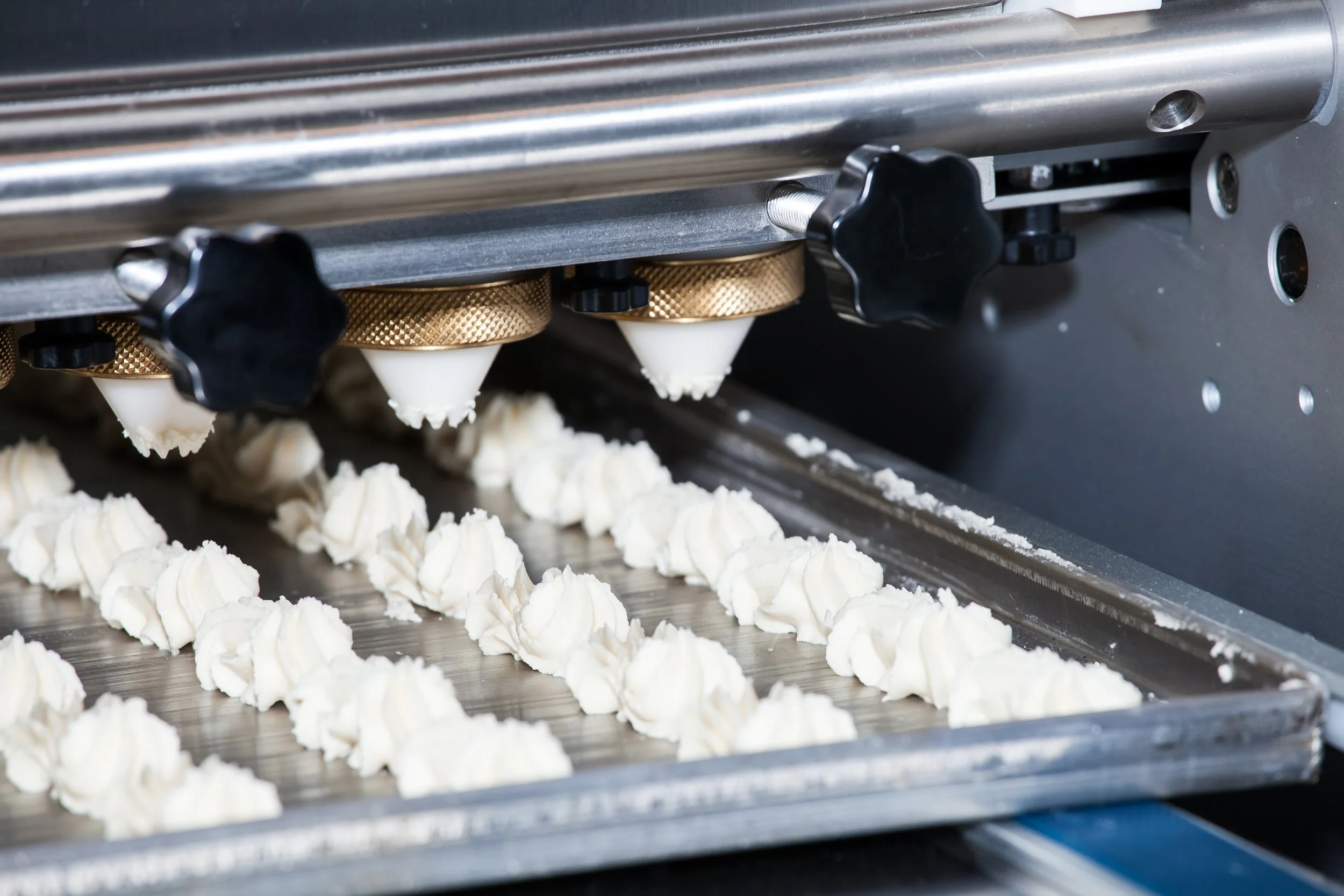
Volumetric Technologies equipment can fill bottles, jars, cups, and tubs or deposit controlled portions onto or into another food product, pan, tray, or mold.
For depositing applications, nozzle design becomes particularly important because the location, shape, and cutoff of the deposit may be part of the finished product.
-
Yes. Multi-head and multi-lane filling systems allow multiple fills or deposits during each machine cycle.
The right number of heads or lanes depends on the product, portion size, production target, container handling, and the capabilities of the equipment upstream and downstream.
-
It depends on the application.
Product viscosity, particulates, temperature, fill volume, nozzle design, number of filling heads, container handling, and other packaging operations can all influence production speed.
Volumetric Technologies focuses on the highest reliable production rate, not simply the fastest number a machine can achieve under ideal conditions.
-
Cleanability is fundamental in food and beverage production.
Volumetric Technologies designs equipment with sanitation and accessibility in mind. Depending on the machine and application, systems can include sanitary construction, accessible product-contact components, tool-free disassembly, washdown configurations, and CIP options.
Sanitation requirements should be established early so they're part of the machine design.
-
Yes. Filling equipment can be integrated with conveyors, container handling, capping, sealing, lidding, labeling, coding, inspection, and other upstream and downstream equipment.
A fast filler doesn't help much if the rest of the line can't keep up. The objective is a balanced, reliable production process.
-
Automation usually starts making sense when manual or semi-automatic production begins limiting throughput, consistency, labor efficiency, or production costs.
The answer doesn't have to be full automation immediately. Volumetric Technologies offers solutions ranging from benchtop fillers to multi-head filling systems and fully automated rotary cup systems, allowing manufacturers to choose a level of automation appropriate for where they are today and where production is headed.
-
Start with five things: accuracy, reliability, cleanability, product handling, and support.
Then look at flexibility. Can the machine handle your other products? What happens when container sizes change? How difficult are changeovers? Is the nozzle designed for your product? Can the equipment grow with production?
Most importantly, make sure the manufacturer understands your actual product—not just the category it falls into.
-
Yes. And for many applications, that's one of the best ways to determine the right solution.
Testing lets Volumetric Technologies see how the actual product flows, foams, strings, carries particulates, responds to temperature, and exits the nozzle. From there, we can evaluate the filling technology, nozzle design, product pathway, filling profile, and machine configuration.
It's a much better starting point than designing a machine around assumptions.
-
Volumetric Technologies designs and builds filling and depositing equipment in Red Wing, Minnesota, with applications, engineering, parts, and service support throughout the life of the equipment.